
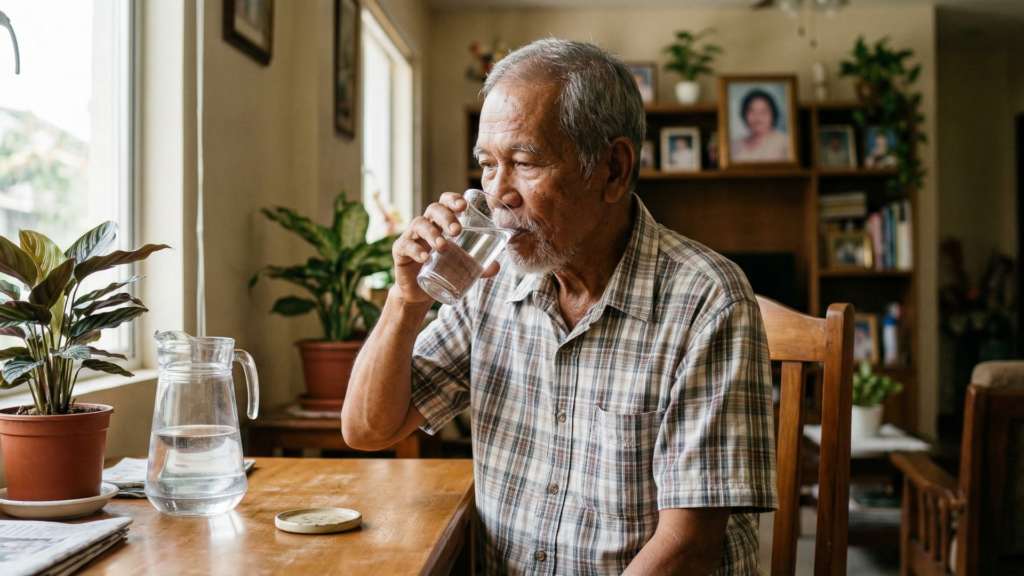
Proper hydration becomes increasingly critical as we age, yet many older adults struggle to maintain adequate fluid intake. Understanding **how much water seniors should drink daily** is essential for maintaining optimal health, cognitive function, and overall wellbeing. According to expert guidelines for older adults, the answer isn’t as straightforward as the traditional “8 glasses a day” rule—seniors have unique hydration needs that deserve special attention.
As we age, our bodies undergo significant changes that affect hydration. The sense of thirst diminishes, kidney function declines, and body composition shifts with less water retention. These physiological changes make seniors particularly vulnerable to dehydration, which can lead to serious complications including urinary tract infections, kidney stones, confusion, and even hospitalization.
Research shows that even mild dehydration can impair cognitive performance, mood, and physical capabilities in older adults. This makes understanding proper hydration not just important—it’s potentially life-saving.
Health experts recommend that senior men consume approximately 13 cups (3 liters) of total fluids daily, while senior women should aim for 9 cups (2.2 liters). However, these numbers include all beverages and water-rich foods, not just plain water.
For those wondering how much water seniors should drink daily from water sources alone, most healthcare professionals suggest 6-8 glasses (48-64 ounces) as a practical baseline, adjusted for individual circumstances.
Every senior’s water requirements vary based on several critical factors:
Physically active seniors need additional fluids to compensate for sweat loss. Add an extra 1.5 to 2.5 cups of water for every hour of moderate exercise.
Hot, humid weather or heated indoor environments increase fluid loss through perspiration, requiring increased intake.
Many common medications including diuretics, laxatives, and certain blood pressure medications increase fluid loss and necessitate higher water consumption.
Conditions like diabetes, heart disease, or kidney problems may require modified hydration strategies. Always consult healthcare providers for personalized recommendations.
Understanding the warning signs of dehydration helps seniors and caregivers respond quickly. Common indicators include:
Seniors experiencing these symptoms should increase fluid intake immediately and seek medical attention if symptoms persist.
Don’t rely on thirst alone. Establish specific times for water consumption—upon waking, with meals, mid-morning, mid-afternoon, and before bed. Setting phone reminders can help build this habit.
If plain water feels boring, enhance it naturally with lemon slices, cucumber, mint, or berries. Herbal teas, broths, and water-rich foods like watermelon, cucumbers, and soups also contribute to daily hydration goals.
Place water bottles or glasses in frequently visited locations throughout the home. Visibility increases consumption—out of sight often means out of mind.
Keep a daily hydration journal or use smartphone apps to track fluid intake. Visual progress motivates consistent habits.
Approximately 20% of daily fluid intake comes from food. Water-rich options particularly beneficial for seniors include lettuce (96% water), celery (95%), tomatoes (94%), and strawberries (91%). Incorporating these foods alongside adequate water consumption optimizes hydration status.
For additional evidence-based health information for seniors, visit resources like https://example.com for comprehensive wellness guides.
While these expert guidelines for older adults provide valuable direction, individual needs vary significantly. Seniors with chronic conditions, those taking multiple medications, or anyone experiencing persistent dehydration symptoms should consult their healthcare provider for personalized hydration recommendations.
Understanding how much water seniors should drink daily empowers older adults to take control of their health. While general recommendations suggest 6-8 glasses daily, individual needs depend on activity level, medications, climate, and health status. By implementing practical hydration strategies and staying mindful of fluid intake, seniors can maintain optimal health, energy, and cognitive function well into their golden years.
Remember: proper hydration isn’t optional—it’s fundamental to healthy aging. Start today by filling that water glass and committing to better hydration habits.

Your trusted guide to the best elderly products for safety, comfort, and independence.
Take a Moment to Be Heard — Book Your Listening Session
©2025, ELDEREDGE. All Rights Reserved