
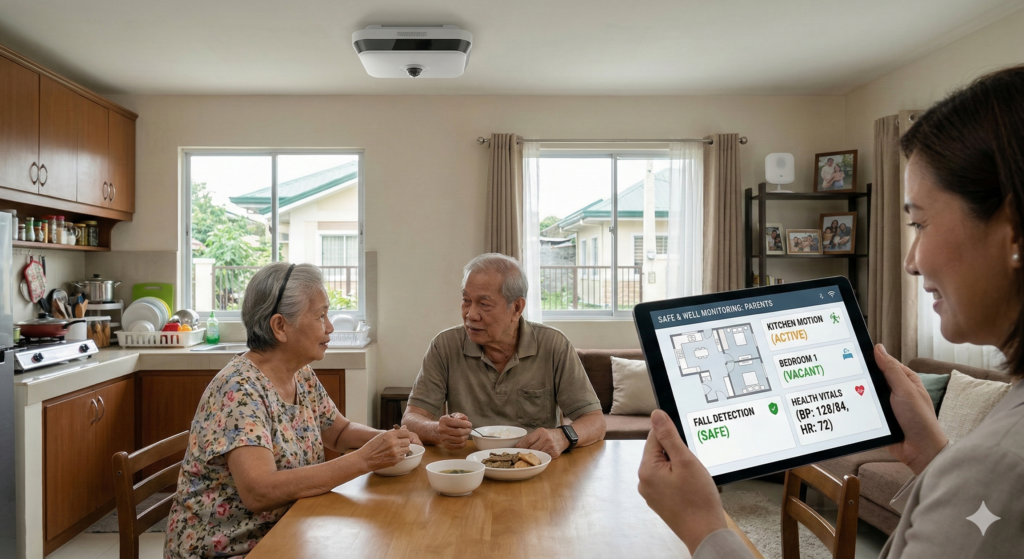
Caring for aging parents while respecting their independence can be challenging. If you’re wondering **how to monitor elderly parents at home**, you’re not alone. Millions of families face this delicate balance between ensuring safety and maintaining dignity. This complete safety guide will help you implement effective monitoring strategies that protect your loved ones while honoring their autonomy.
As our parents age, their vulnerability to falls, medical emergencies, and cognitive decline increases. According to the CDC, one in four Americans aged 65 and older falls each year, making home monitoring not just helpful—it’s essential. Recognizing when your parents need additional oversight is the first step toward creating a safer home environment.
Watch for these indicators that suggest it’s time to implement monitoring solutions:
Modern technology has revolutionized how families can monitor elderly parents at home without being intrusive.
Smart home technology offers peace of mind through automation and alerts. Motion sensors can track movement patterns throughout the day, alerting you if Mom hasn’t gotten out of bed by noon or if Dad is wandering at night. Smart doorbells allow you to see and speak with visitors, while automated lighting reduces fall risks in hallways and bathrooms.
Medical alert systems remain one of the most reliable monitoring tools. These wearable devices let your parents call for help instantly during emergencies. Modern systems include fall detection, GPS tracking for wandering, and two-way communication features. Many services offer 24/7 professional monitoring centers that can contact family members and emergency services.
Strategically placed cameras provide visual oversight while respecting privacy. Install cameras in common areas like living rooms and kitchens, but avoid bedrooms and bathrooms. Many families find that video monitoring helps them check in remotely and verify their parents’ wellbeing throughout the day.
For comprehensive reviews of monitoring equipment, visit resources like https://example.com for expert recommendations.
Technology isn’t the only solution when learning how to monitor elderly parents at home effectively.
Establish consistent communication routines. Daily phone calls at the same time create structure and help you gauge your parents’ cognitive and emotional state. Video calls offer additional benefits by allowing you to observe their appearance and home environment.
Build a network of neighbors, friends, and local service providers who can check on your parents. Mail carriers, grocery delivery personnel, and nearby friends can serve as extra eyes and ears. Many communities offer volunteer programs specifically designed to support aging residents.
Consider hiring professional caregivers for regular visits. Even a few hours weekly provides professional assessment of your parents’ condition while offering companionship. Home health aides can assist with daily tasks, medication management, and personal care needs.
Effective monitoring requires a holistic approach combining multiple strategies.
Start by making physical improvements to reduce hazards. Install grab bars in bathrooms, remove tripping hazards like loose rugs, improve lighting throughout the home, and ensure handrails are secure on all staircases. These modifications work alongside monitoring systems to prevent accidents.
Develop clear emergency protocols that everyone understands. Keep updated lists of medications, medical conditions, and emergency contacts visible near phones. Ensure your parents know how to use all monitoring devices and understand the emergency action plan.
The most successful monitoring approach respects your parents’ dignity while ensuring their safety. Involve them in decisions about monitoring solutions, explain the benefits clearly, and start gradually rather than implementing everything at once. This collaborative approach increases acceptance and reduces resistance.
Learning how to monitor elderly parents at home requires combining technology, communication, and compassion. By implementing smart home devices, establishing regular check-ins, and creating comprehensive safety plans, you can ensure your parents’ wellbeing while honoring their independence. Remember, the goal isn’t surveillance—it’s providing security that allows your loved ones to age safely in the comfort of their own homes. Start with one or two solutions today, and adjust your approach as their needs evolve.

Your trusted guide to the best elderly products for safety, comfort, and independence.
Take a Moment to Be Heard — Book Your Listening Session
©2025, ELDEREDGE. All Rights Reserved